Why Electric Aviation Has Become a Global Priority
In 2026, the electric aircraft market is no longer a niche innovation-it is emerging as a strategic lever in global aviation, climate policy, and industrial competitiveness. As governments, airlines, and aerospace manufacturers face mounting pressure to decarbonize, electric aviation is rapidly moving from experimental deployments to early-stage commercialization.
With the market projected to exceed $21 billion by 2030, electric aircraft are becoming central to how nations think about future mobility, energy independence, and economic resilience.
Aviation’s Role in the Global Sustainability Equation
Aviation remains one of the most challenging sectors to decarbonize. Electric aircraft directly address this challenge by enabling:
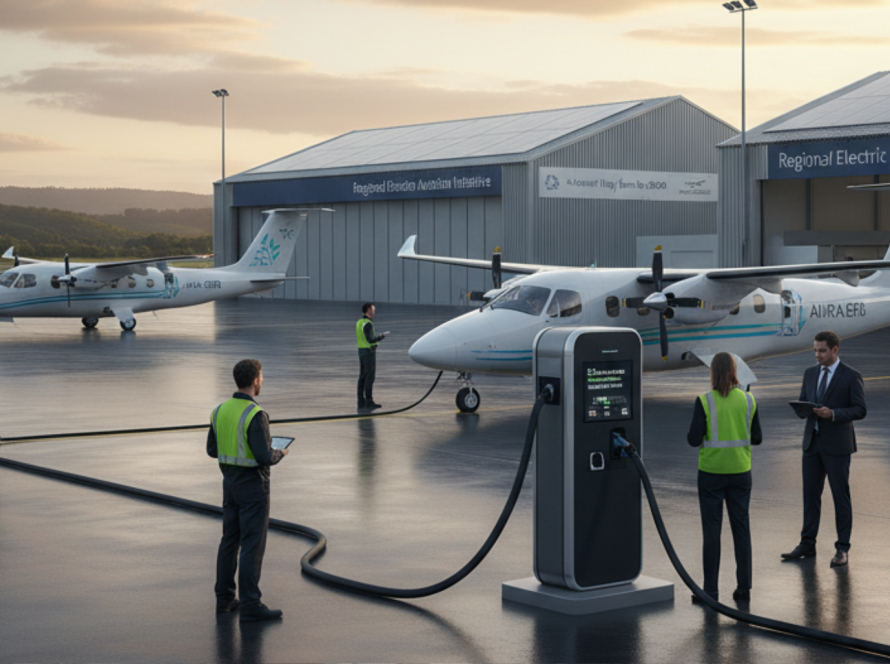
- Zero-emission short-haul and regional flights
- Lower operating costs, improving access to air travel
- Reduced noise pollution, critical for urban environments
As international climate commitments tighten, electric aviation is fast becoming a policy-aligned solution, not just a technological one.
From Technology Breakthroughs to System-Level Change
Recent advances in battery energy density, electric propulsion, and lightweight aerostructures are enabling practical electric flight-particularly for regional transport, urban air mobility (UAM), and specialized operations.
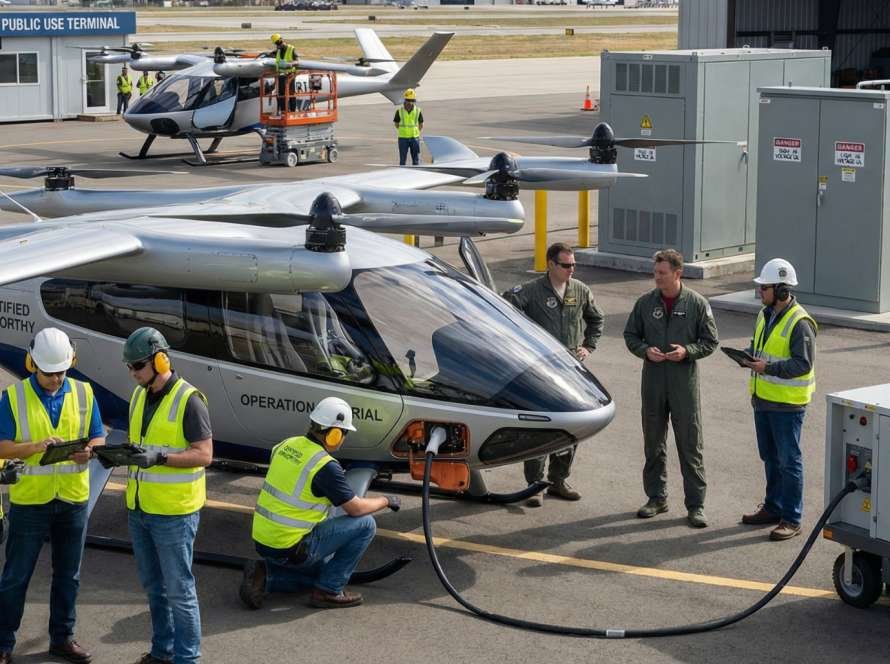
The commercial certification of multi-seat electric aircraft represents a turning point. It signals that regulators, manufacturers, and operators are aligned, creating a pathway for scale across continents.
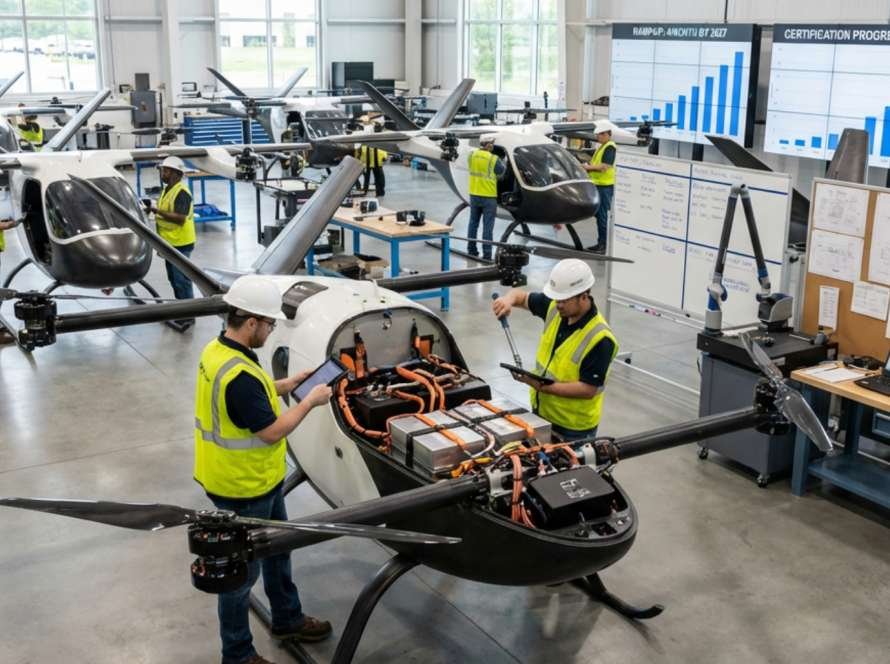
This evolution is reshaping the aerospace value chain-from materials and software to manufacturing and energy infrastructure.
Global Competition and Strategic Positioning
Electric aviation is quickly becoming a geopolitical and industrial priority:
- North America leads in early commercialization and certification
- Europe is leveraging sustainability mandates to accelerate adoption
- Asia-Pacific is scaling manufacturing capacity and domestic innovation
As tariffs, supply chain localization, and trade realignments intensify, electric aircraft are also influencing where aerospace manufacturing power will reside over the next decade.
What This Means for Executive Leadership
For C-level leaders, electric aircraft represent more than a new market-they reflect a structural shift in global mobility. Key strategic implications include:
- New competitive dynamics across aerospace and mobility ecosystems
- Long-term infrastructure and energy integration decisions
- Opportunities to lead in urban air mobility, regional aviation, and defense applications
- Heightened importance of partnerships, acquisitions, and cross-sector collaboration
Early movers will shape standards, ecosystems, and market access. Late adopters risk strategic irrelevance.
The Strategic Bottom Line
The electric aircraft market in 2026 marks the beginning of a global aviation reset. As sustainability, technology maturity, and regulatory alignment converge, electric aviation is poised to redefine how people and goods move-across cities, regions, and borders.
For global decision-makers, electric aircraft are no longer an innovation to observe-they are a strategic imperative to act on.Read About Thought Xchange Network connecting energy and sustainability leaders