Executive Summary
Electric aviation is transitioning from experimental promise to operational reality. While 2025 delivered unprecedented flight-testing milestones for electric air taxis and eVTOL aircraft, 2026 is poised to become the year when electric aviation begins to scale, integrate with real-world infrastructure, and generate early commercial revenue.
For C-level executives across aerospace, mobility, energy, infrastructure, and technology, this shift signals more than innovation-it marks the emergence of a new aviation economy.
2025: Proof of Capability for Electric Air Taxis
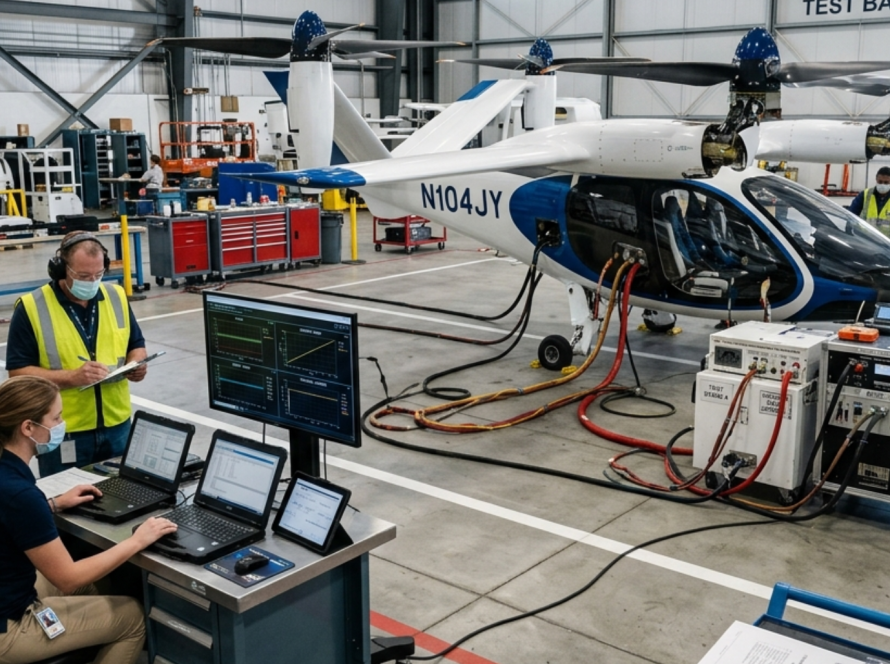
The past year validated that electric aviation is no longer speculative. Leading manufacturers achieved tangible progress across flight hours, certification readiness, and operational complexity.
Beta Technologies: Operational Maturity at Scale
Beta Technologies emerged as a frontrunner, surpassing 100,000 nautical miles of flight testing with its Alia electric aircraft. Its successful operations at major international airports-including JFK, Atlanta, and Paris Le Bourget-demonstrated that electric aircraft can function within the most demanding airspace environments.
More importantly, Beta placed aircraft in the hands of commercial partners such as UPS and Air New Zealand, signaling growing confidence from institutional operators.
Joby Aviation: Transition Achieved
Joby Aviation completed its first piloted transition flights-arguably the defining technical hurdle for eVTOL platforms. With more than 850 flights and 9,000 test miles, Joby proved not only aerodynamic viability but also operational resilience through contingency testing and international demonstrations.
Archer Aviation: From Autonomous to Piloted Flight
Archer reached a critical milestone by commencing piloted testing of its Midnight aircraft, achieving a 10,000-foot altitude and completing flights aligned with real urban mission profiles. This validated Archer’s focus on short-range, high-frequency city routes.
Wisk Aero: Autonomous Electric Aviation Takes Shape
Wisk advanced autonomous electric aviation with the first untethered hover flight of its Generation 6 aircraft. Unlike its peers, Wisk’s strategy centers on autonomy from day one-positioning it at the intersection of electric aviation and AI-driven mobility.
2026: From Testing to Real-World Operations
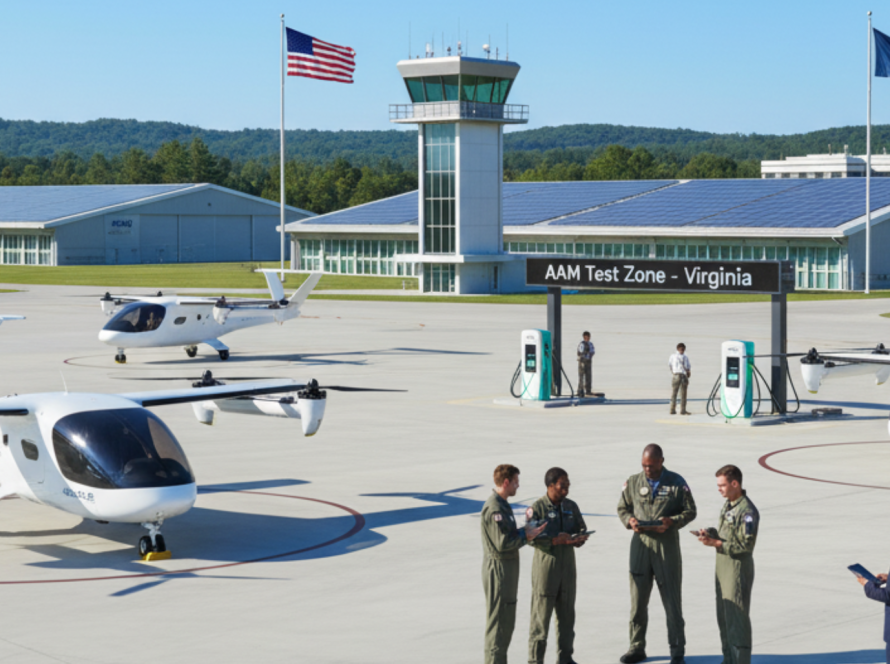
The launch of the FAA’s eVTOL Integration Pilot Program (eIPP) represents a turning point for the industry. For the first time, electric air taxi developers may conduct limited revenue-generating operations under regulatory oversight.
Why the eIPP Matters
- Enables electric aircraft to operate in live environments
- Allows temporary infrastructure deployment
- Supports data collection for certification and commercialization
- Bridges the gap between testing and market entry
For executives, this marks the transition from R&D risk to early operational economics.
Read more: How Sweden Is Setting the Standard for Electric Flight Training
Certification Momentum Accelerates
Multiple manufacturers are approaching Type Inspection Authorization (TIA)-the final gateway before full FAA certification.
- Beta and Joby are flying aircraft that mirror their certification configurations
- Archer is assembling conforming production aircraft
- Wisk is preparing autonomous flight envelopes for regulatory validation
This phase compresses timelines and reduces uncertainty-critical signals for investors, partners, and regulators alike.
Strategic Implications for C-Suite Leaders
Electric aviation is no longer a distant bet-it is an emerging sector with defined regulatory pathways and measurable operational data.
Key Executive Takeaways:
- Electric aviation will begin limited commercialization before the decade’s end
- Cargo, medical logistics, and regional mobility will lead adoption
- Autonomy and hybrid-electric systems will accelerate scalability
- Government policy is actively enabling-not constraining-deployment
Organizations that engage early-through partnerships, infrastructure planning, energy integration, or capital allocation-will shape this next aviation era.
The Bigger Picture: A New Aviation Economy
With White House backing and a national Advanced Air Mobility strategy in place, the United States is positioning electric aviation as a strategic industry.
As one industry leader stated, the next milestone is not thousands-but millions of electric flight miles.
Final Thought
Electric aviation is crossing the threshold from innovation to infrastructure. 2026 will not be remembered as a testing year-but as the year electric flight became operational reality.
For leaders willing to act decisively, the runway is clear.