
Eve Air Mobility Advances eVTOL Program with 50 Successful Test Flights
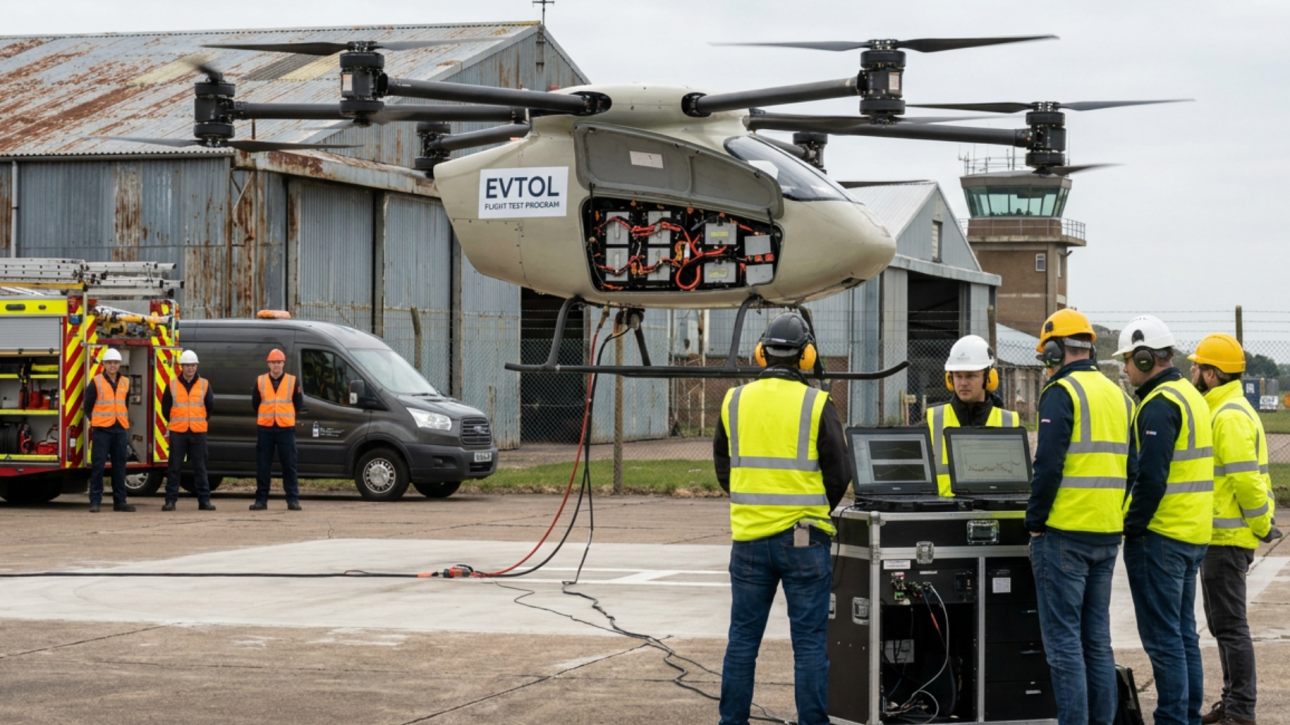
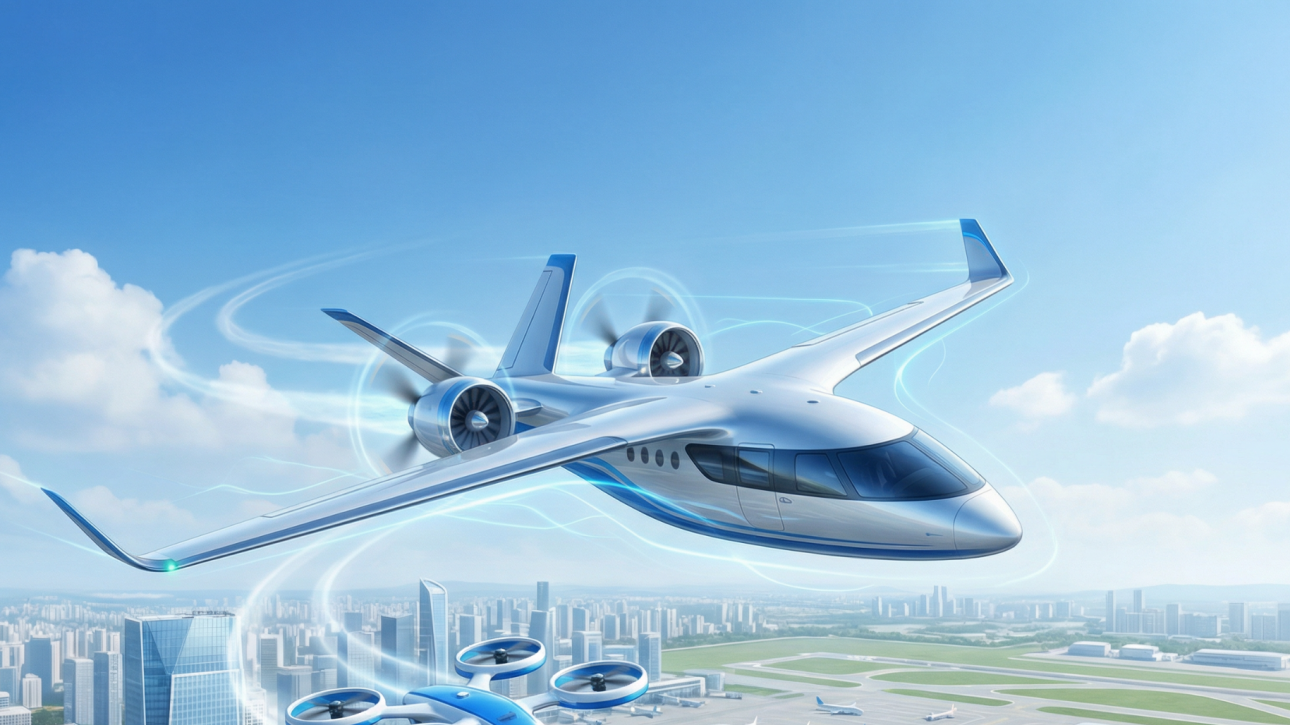
Eve Air Mobility has reached a key development milestone in its electric vertical take-off and landing (eVTOL) program, successfully completing 50 test flights with its full-scale prototype aircraft.
The achievement strengthens the company’s position in the rapidly evolving urban air mobility sector, where global…
The evolution of electric aviation has moved past the era of conceptual designs. For global leadership, the priority has shifted toward a rigorous, aviation-grade path to type certification. The recent full-scale prototype flight tests by Eve Air Mobility represent more than a technical milestone: they provide a roadmap for the regulatory and operational scaling of…
A Defining Acceleration in Electric Aviation
Electric aviation is entering a decisive growth phase, with rapid advancements across eVTOL aircraft, hybrid-electric systems, and advanced air mobility (AAM) ecosystems.
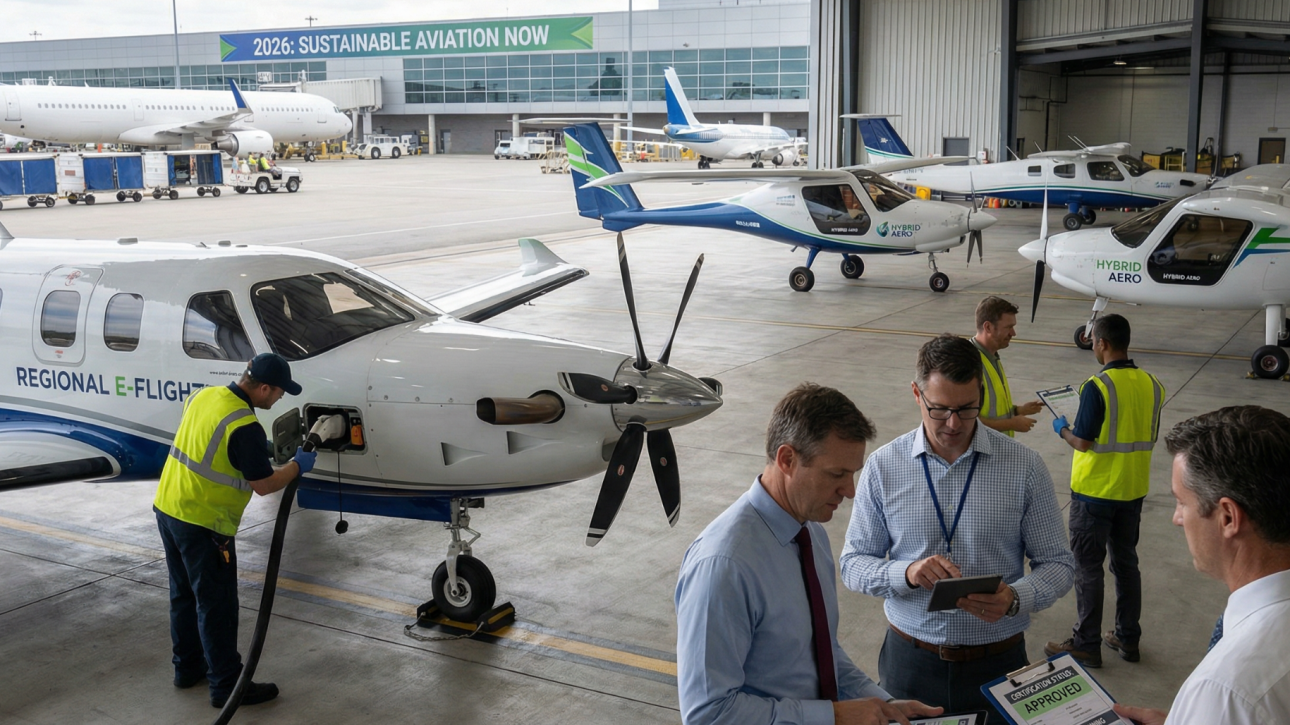
Recent developments signal a transition from prototype validation to early-stage commercialization, as companies move toward production, partnerships, and real-world deployment scenarios.
eVTOL Ecosystem Moves Toward Commercial Reality…
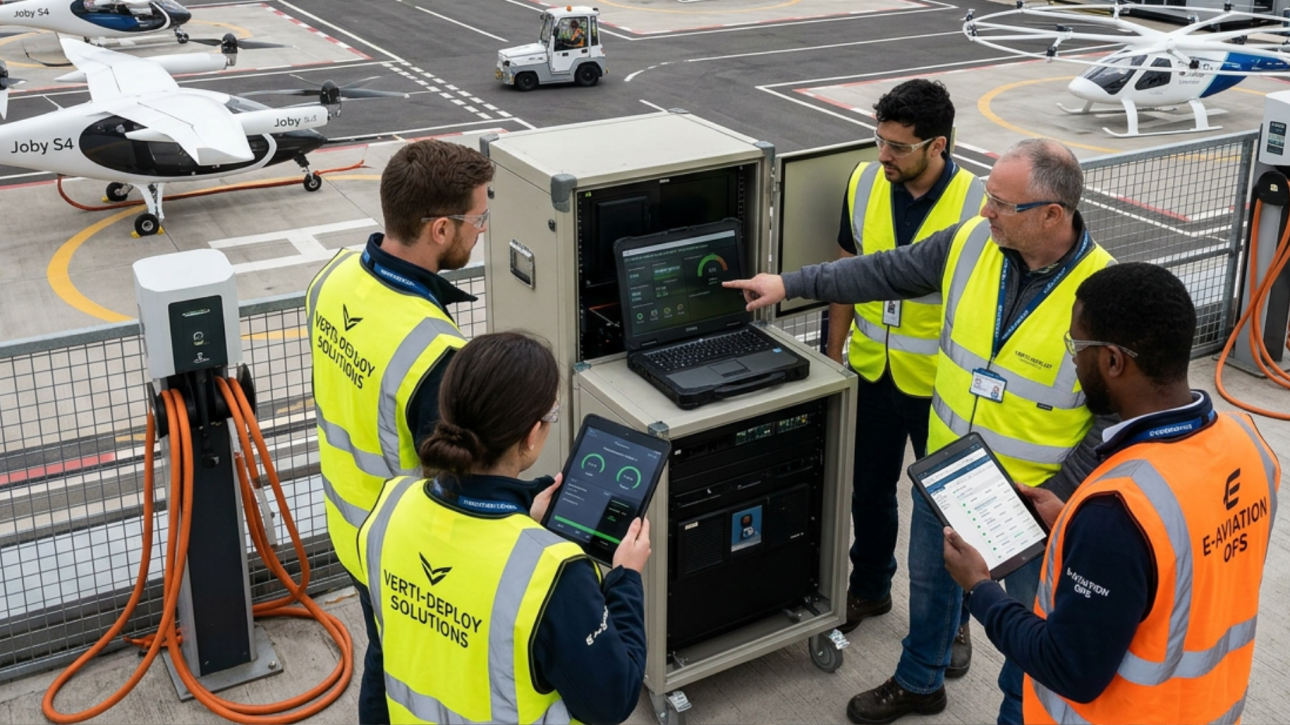
While 2025 was defined by the race for type certification, the second week of March 2026 has marked a definitive shift toward operational integration. For C-suite leaders, the focus has moved from the cockpit to the ground. The industry is now deploying the automated systems and hybrid power plants required to turn individual aircraft into…
For years, electric aviation was the "silent revolution," a sector long on promise but tangled in regulatory red tape. This week, the tape finally snapped. In the first week of March 2026, the sector’s major players moved from proving that electric flight is possible to proving it is permissible.
For C-suite leaders and transportation investors,…
Executive Overview
Electric aircraft technology is moving decisively from experimental development to early-stage commercialization. As of February 2026, advances in hybrid-electric and all-electric propulsion are reshaping aviation economics, regulatory priorities, and long-term fleet strategies. What was once a sustainability-driven aspiration is now becoming a commercially viable pathway toward efficiency, emissions reduction, and operational resilience.
Across…
Why Electric Aviation Has Become a Global Priority
In 2026, the electric aircraft market is no longer a niche innovation-it is emerging as a strategic lever in global aviation, climate policy, and industrial competitiveness. As governments, airlines, and aerospace manufacturers face mounting pressure to decarbonize, electric aviation is rapidly moving from experimental deployments to early-stage…
The global electric aircraft market is entering a decisive growth phase as sustainability mandates, urban mobility demands, and propulsion breakthroughs converge. Valued at USD 13.83 billion in 2025, the market is projected to reach USD 81.35 billion by 2035, expanding at a robust CAGR of 19.39% between 2026 and 2035.
For aviation leaders, infrastructure investors,…
Executive Summary
Electric aviation is transitioning from experimental promise to operational reality. While 2025 delivered unprecedented flight-testing milestones for electric air taxis and eVTOL aircraft, 2026 is poised to become the year when electric aviation begins to scale, integrate with real-world infrastructure, and generate early commercial revenue.
For C-level executives across aerospace, mobility, energy, infrastructure,…
Executive Summary
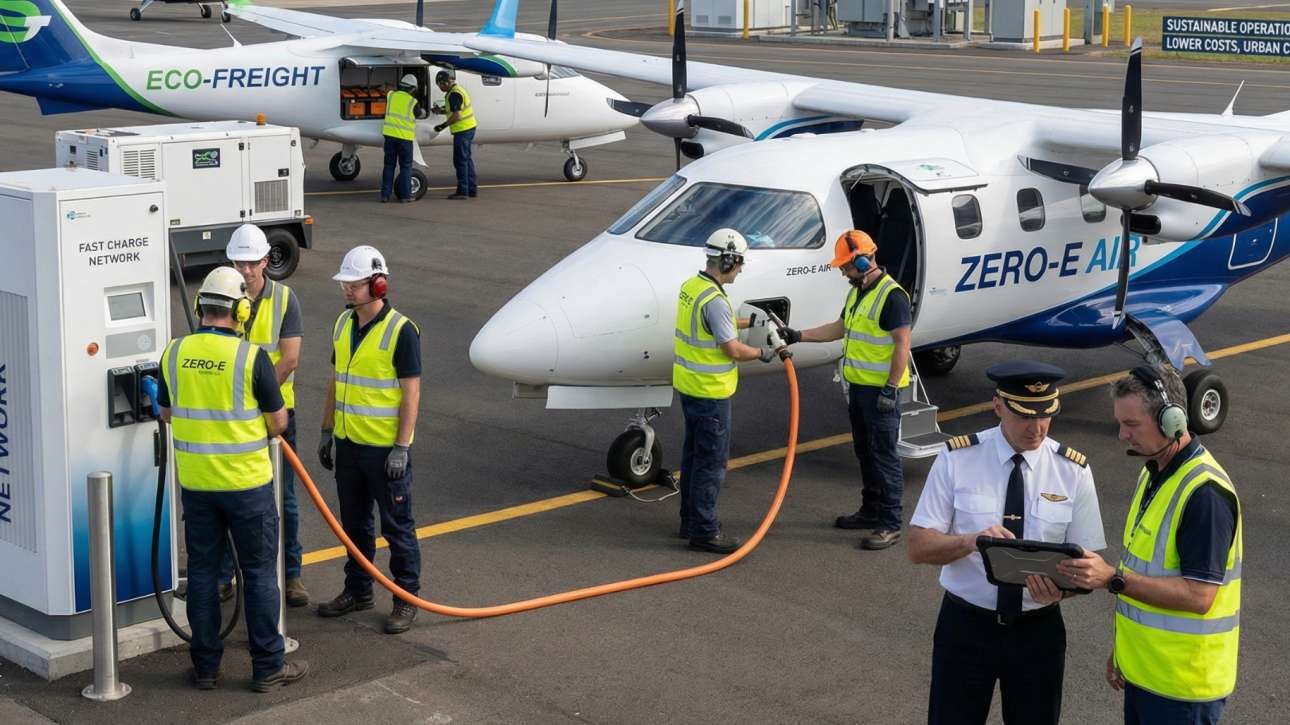
The electric aircraft charging infrastructure market is rapidly emerging as a foundational layer of next-generation aviation, with global market value projected to reach USD 2.1 billion by 2030, growing at a 20.7% CAGR. As electric and hybrid-electric aircraft move toward early commercial deployment, charging systems are becoming a strategic determinant of scalability, safety,…