Executive Overview
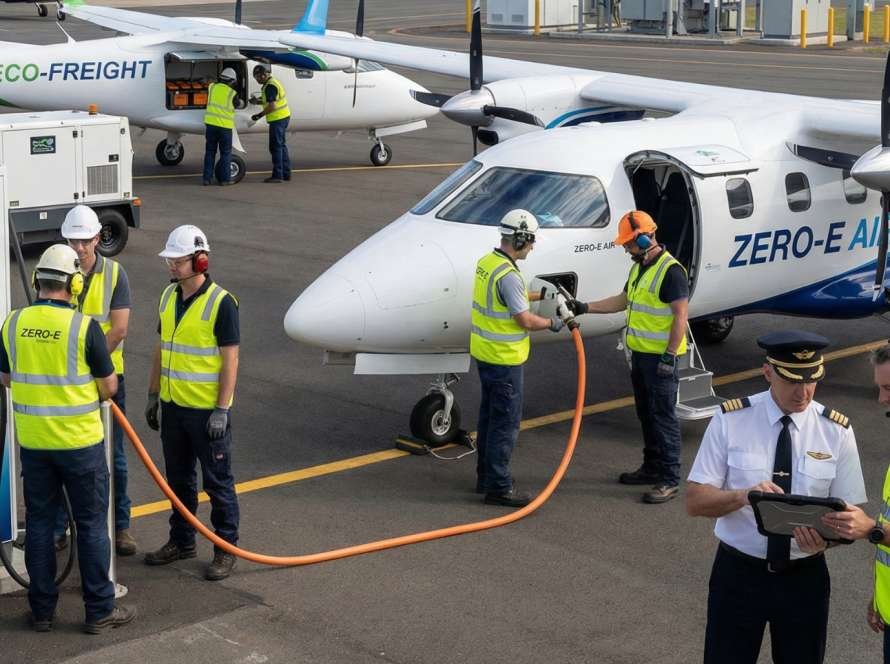
Electric aircraft technology is moving decisively from experimental development to early-stage commercialization. As of February 2026, advances in hybrid-electric and all-electric propulsion are reshaping aviation economics, regulatory priorities, and long-term fleet strategies. What was once a sustainability-driven aspiration is now becoming a commercially viable pathway toward efficiency, emissions reduction, and operational resilience.
Across light aviation, regional transport, and advanced air mobility, industry leaders and emerging innovators are aligning capital, certification timelines, and infrastructure to bring electric aviation into service within this decade.
Acceleration Across the Electric Aviation Ecosystem
The pace of innovation in electric aircraft has intensified significantly. Major showcases such as CES 2026 highlighted the convergence of propulsion technology, software-defined aircraft systems, and regulatory readiness. Companies including Smartflyer, EVIO, Beta Technologies, Archer, and Joby are now advancing beyond prototypes, targeting certification and operational entry as early as 2026.
This acceleration reflects a broader industry shift: electrification is no longer a niche initiative but a core component of aviation’s future growth model.
Light and Training Aircraft: Smartflyer Targets Early Adoption
Swiss startup Smartflyer is positioning itself strategically within the light and training aircraft segment with its SF-1 all-electric aircraft, scheduled for first flight in summer 2026. Beyond private aviation, the SF-1 is designed to serve flight training institutions seeking lower operating costs and compliance with tightening environmental standards.
Smartflyer’s roadmap includes hybrid-electric and hydrogen-electric variants, signaling a long-term strategy to expand operational flexibility and address diverse mission profiles.
Regional Aviation: EVIO Bets on Hybrid-Electric Scale
In regional aviation, EVIO’s hybrid-electric EVIO 810 represents a more capital-intensive but highly scalable approach. Designed for 50–100 passengers, the aircraft has already secured conditional purchase commitments for 450 units, supported by strategic backing from Boeing and Pratt & Whitney Canada.
Expected to enter service in the early 2030s, the EVIO 810 targets a critical fleet replacement cycle, offering efficiency gains and adaptability for passenger, cargo, and defense applications.
Propulsion Innovation: GE Aerospace Redefines Hybrid Efficiency
A key enabler of electric aviation is propulsion innovation. GE Aerospace has completed ground testing of a hybrid-electric turbofan derived from its Passport engine platform. By embedding electric motor-generators directly into the gas turbine, the system enhances takeoff and climb efficiency without relying on large onboard batteries.
This architecture aligns with aviation’s net-zero objectives and presents a pragmatic pathway for electrifying narrowbody aircraft operations.
Advanced Air Mobility: eVTOL Moves Toward Certification
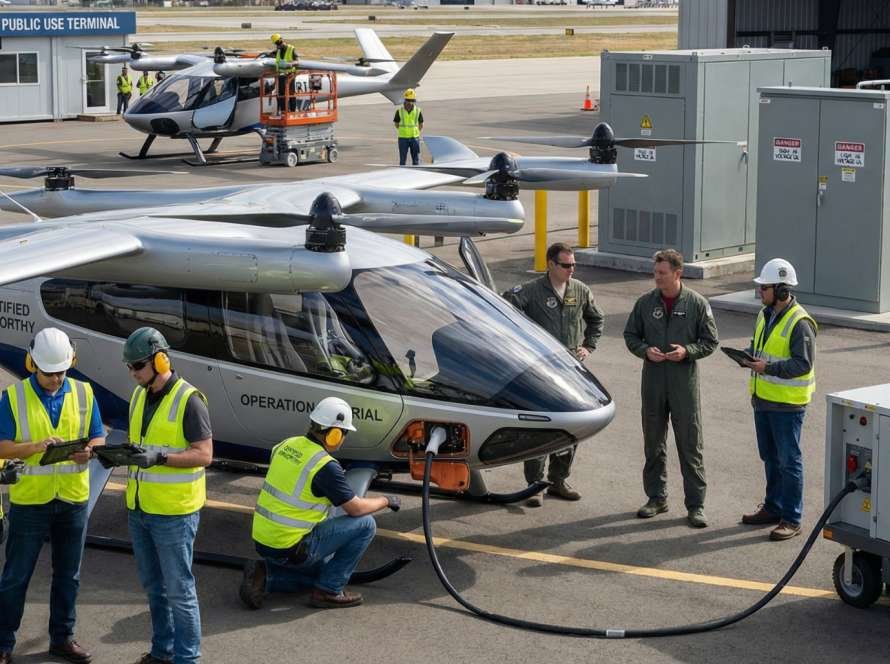
The eVTOL segment continues to mature rapidly, transitioning from concept validation to regulatory execution:
- Emotiv AIR ONE, unveiled at CES 2026, is already in production, emphasizing software-driven simplicity and electric reliability.
- Beta Technologies’ Alia aircraft has exceeded 100,000 nautical miles of testing, with certification targeted for 2026.
- Archer Aviation and Joby Aviation are advancing through late-stage certification processes, preparing for pilot-flown commercial operations.
- Honda is preparing the first flight of its full-scale hybrid-electric VTOL, underscoring serious commitment from established industrial players.
Collectively, these developments indicate that advanced air mobility is approaching constrained commercial deployment rather than remaining a speculative concept.
Strategic Outlook: Hybrid-Electric as the Near-Term Winner
While fully electric aircraft will play an important role, hybrid-electric systems are emerging as the dominant near-term solution. They offer extended range, infrastructure compatibility, and operational flexibility while delivering meaningful emissions reductions.
With estimates pointing to over 7,500 regional aircraft replacements in the coming decades, electrification aligns directly with fleet renewal cycles, government incentives, and airline cost optimization strategies.
Advanced sensor integration, real-time analytics, and autonomous flight technologies will further enhance safety, efficiency, and aircraft utilization-positioning electric aircraft as intelligent, data-driven platforms.
Read more: How Sweden Is Setting the Standard for Electric Flight Training
Conclusion: Aviation’s Structural Shift Is Underway
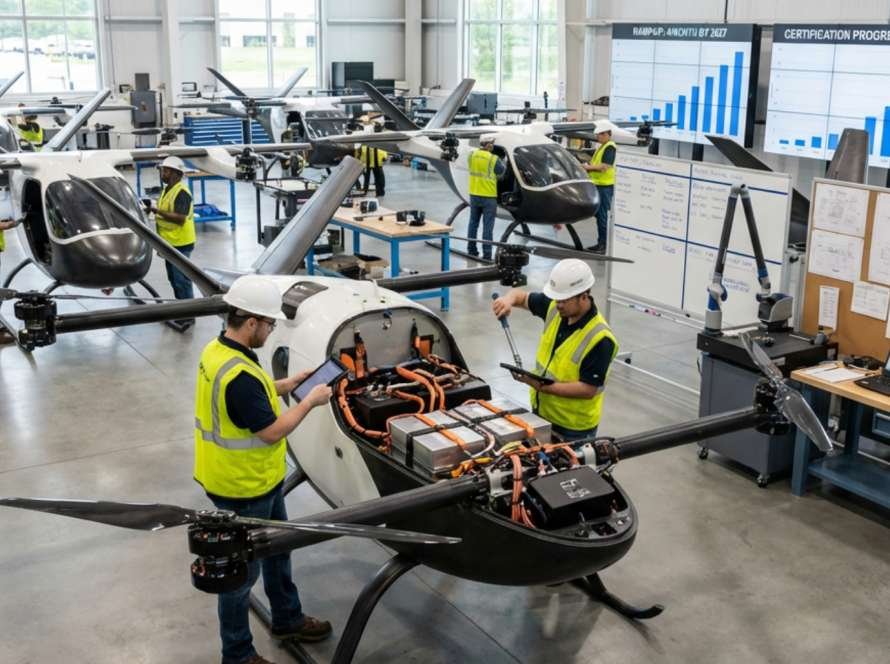
Electric aircraft technology has reached an inflection point. Certification progress, capital inflows, and industrial-scale programs now define the sector’s trajectory. For aerospace leaders and policymakers, the implication is clear: electric and hybrid-electric propulsion will be foundational to aviation’s next growth phase.
The certifications and early operations expected in 2026 will mark the beginning of a long-term transformation-one that reshapes how aviation balances sustainability, economics, and technological resilience.
Follow us On X for more news insights