Introduction: Business Aviation Enters a Dual Transformation Phase
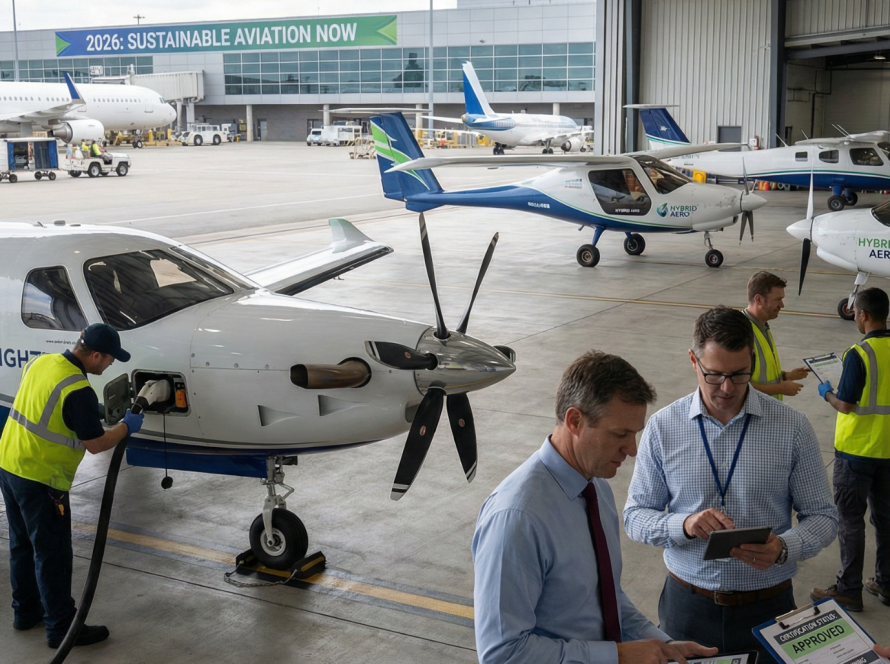
The latest developments in business aviation highlight a clear structural shift: the simultaneous rise of electric regional aircraft and high-end VVIP cabin innovation.
Two parallel signals define the May 2026 landscape – the industrialization of electric air mobility and the continued premiumization of long-range executive aviation.
For C-level executives in aerospace, infrastructure, and mobility, these trends represent early-stage but high-impact investment and partnership opportunities.
MD Aircraft Advances Electric Regional Aviation Deployment
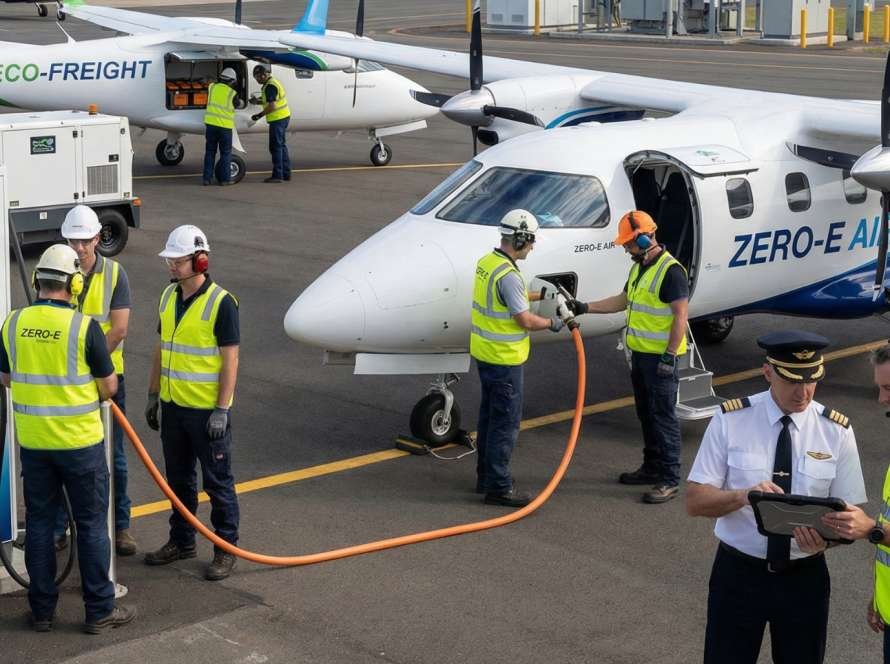
German aerospace startup MD Aircraft has taken a significant commercial step by signing a letter of intent for 20 MDA1 eViator electric aircraft with Canadian operator Aerova.
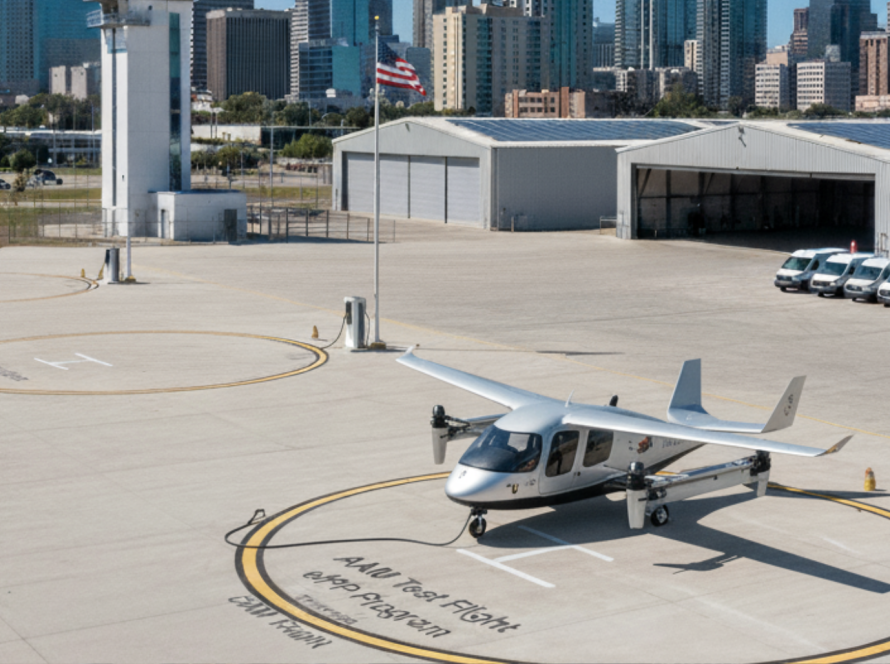
The MDA1 eViator is a nine-passenger electric regional aircraft, designed to support emerging Advanced Air Mobility (AAM) networks.
Aerova, founded in 2025, is building autonomous air logistics corridors supported by uncrewed aircraft traffic management systems – an infrastructure layer essential for scaling regional electric aviation.
Strategic Implications for Industry Leaders
This development signals three key shifts:
- Electric regional aviation is transitioning from prototype to early commercial adoption
- Infrastructure-first models (corridor-based AAM systems) are becoming critical
- Logistics and passenger transport are converging within autonomous air ecosystems
For aviation stakeholders, the focus is moving from aircraft design to system-level mobility architecture.
Rosen Aviation Expands Leadership in VVIP Cabin Experience
In parallel, Rosen Aviation, based in Eugene, Oregon, continues to strengthen its position in the VVIP aircraft interior and in-flight entertainment (IFE) market.
The company has completed a major installation of 4K OLED-based IFE systems and custom-designed display architectures for a widebody VVIP aircraft.
Key highlights include:
- Ground-up engineered 4K home-cinema display integration
- Multi-format OLED deployment across cabin zones
- System certified 100 lbs below target weight specification
- Full hardware and software integration for next-generation passenger experience
While the customer remains undisclosed, Rosen Aviation confirmed accelerating demand in the high-growth VVIP aviation segment.
Industry Outlook: Polarization in Business Aviation
The two developments reflect a broader industry divergence:
1. Electric Regional Aviation
- Focus: sustainability, autonomy, short-haul connectivity
- Value driver: infrastructure + aircraft ecosystem integration
- Growth stage: early commercialization
2. VVIP Cabin Innovation
- Focus: ultra-premium passenger experience
- Value driver: personalization, entertainment systems, lightweight engineering
- Growth stage: mature but rapidly evolving premium segment
Together, they represent the dual-speed evolution of global aviation – one driven by efficiency and scale, the other by exclusivity and experience.
Conclusion: Aviation Is Moving from Aircraft to Ecosystems
The May 2026 business aviation landscape reinforces a critical strategic insight: competitive advantage is no longer defined solely by aircraft performance, but by ecosystem integration.
Electric regional aviation depends on airspace coordination, logistics corridors, and regulatory alignment. VVIP aviation depends on experience engineering, weight optimization, and digital cabin ecosystems.
For executives and investors, the opportunity lies in identifying where these two trajectories intersect – particularly in infrastructure, avionics, and next-generation mobility platforms.