
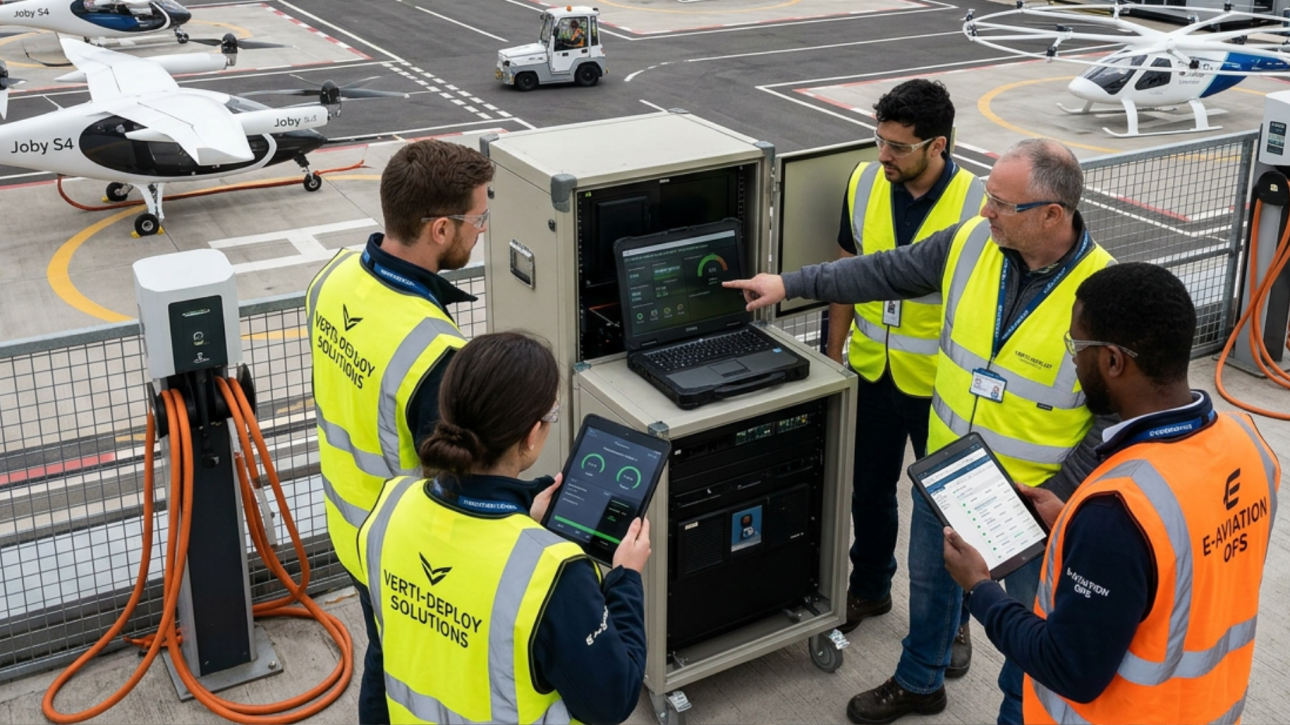
While 2025 was defined by the race for type certification, the second week of March 2026 has marked a definitive shift toward operational integration. For C-suite leaders, the focus has moved from the cockpit to the ground. The industry is now deploying the automated systems and hybrid power plants required to turn individual aircraft into high-frequency transport networks.
Vertiport Automation: The Tokyo Bay Milestone
On March 5, 2026, Skyports Infrastructure successfully concluded an intensive five-day demonstration of its Vertiport Automation…
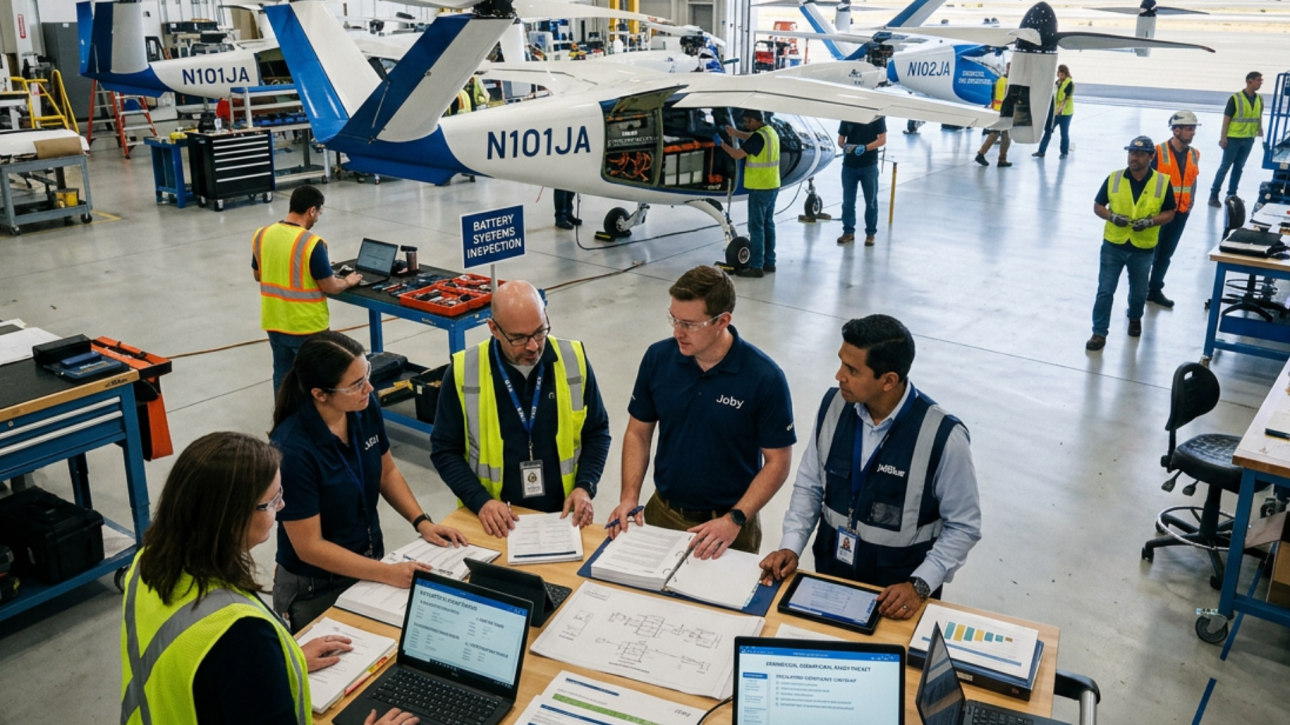
For years, electric aviation was the "silent revolution," a sector long on promise but tangled in regulatory red tape. This week, the tape finally snapped. In the first week of March 2026, the sector’s major players moved from proving that electric flight is possible to proving it is permissible.
For C-suite leaders and transportation investors, the good news lies in the collapse of regulatory ambiguity. We are no longer looking at prototypes. We are looking at certified, production-ready assets.
Archer’s…
Executive Overview
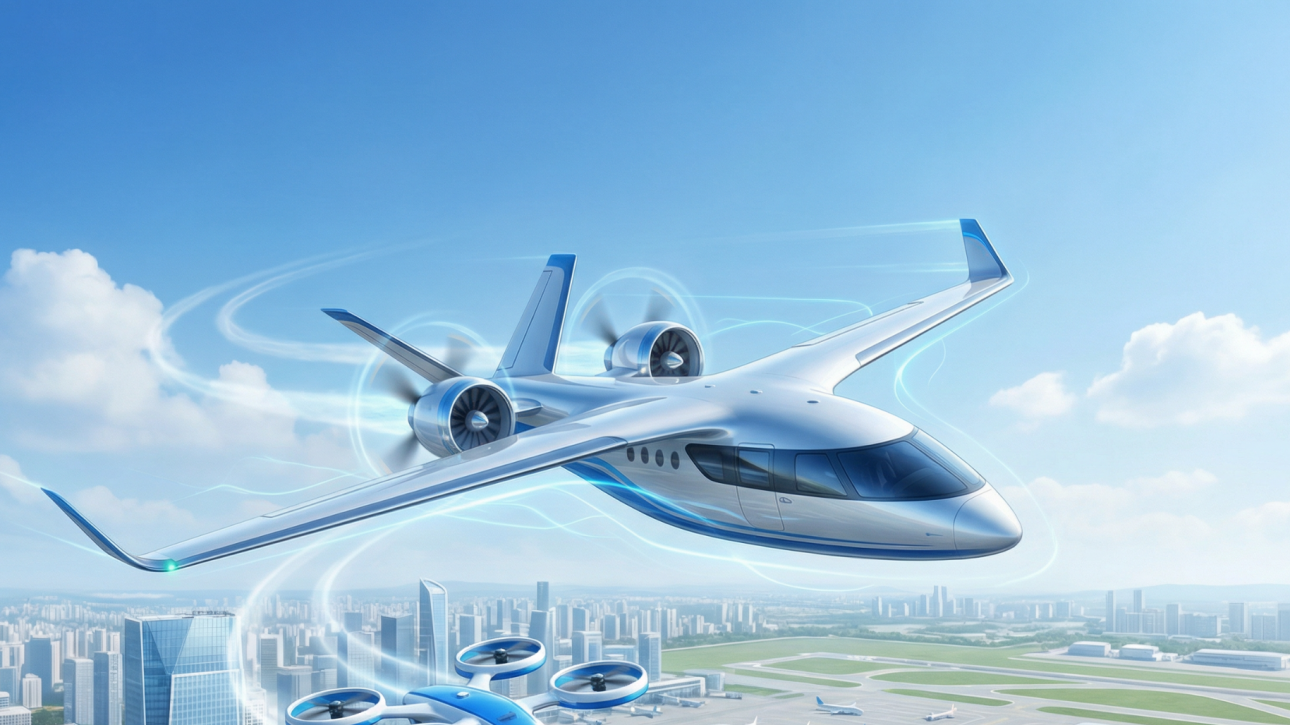
Electric aircraft technology is moving decisively from experimental development to early-stage commercialization. As of February 2026, advances in hybrid-electric and all-electric propulsion are reshaping aviation economics, regulatory priorities, and long-term fleet strategies. What was once a sustainability-driven aspiration is now becoming a commercially viable pathway toward efficiency, emissions reduction, and operational resilience.
Across light aviation, regional transport, and advanced air mobility, industry leaders and emerging innovators are aligning capital, certification timelines, and infrastructure to bring electric aviation into…
While 2025 was defined by the race for type certification, the second week of March 2026 has marked a definitive shift toward operational integration. For C-suite leaders, the focus has moved from the cockpit to the ground. The industry is now deploying the automated systems and hybrid power plants required to turn individual aircraft into high-frequency transport networks.
Vertiport Automation: The Tokyo Bay Milestone
On March 5, 2026, Skyports Infrastructure successfully concluded an intensive five-day demonstration of its Vertiport Automation…
For years, electric aviation was the "silent revolution," a sector long on promise but tangled in regulatory red tape. This week, the tape finally snapped. In the first week of March 2026, the sector’s major players moved from proving that electric flight is possible to proving it is permissible.
For C-suite leaders and transportation investors, the good news lies in the collapse of regulatory ambiguity. We are no longer looking at prototypes. We are looking at certified, production-ready assets.
Archer’s…
Executive Overview
Electric aircraft technology is moving decisively from experimental development to early-stage commercialization. As of February 2026, advances in hybrid-electric and all-electric propulsion are reshaping aviation economics, regulatory priorities, and long-term fleet strategies. What was once a sustainability-driven aspiration is now becoming a commercially viable pathway toward efficiency, emissions reduction, and operational resilience.
Across light aviation, regional transport, and advanced air mobility, industry leaders and emerging innovators are aligning capital, certification timelines, and infrastructure to bring electric aviation into…